
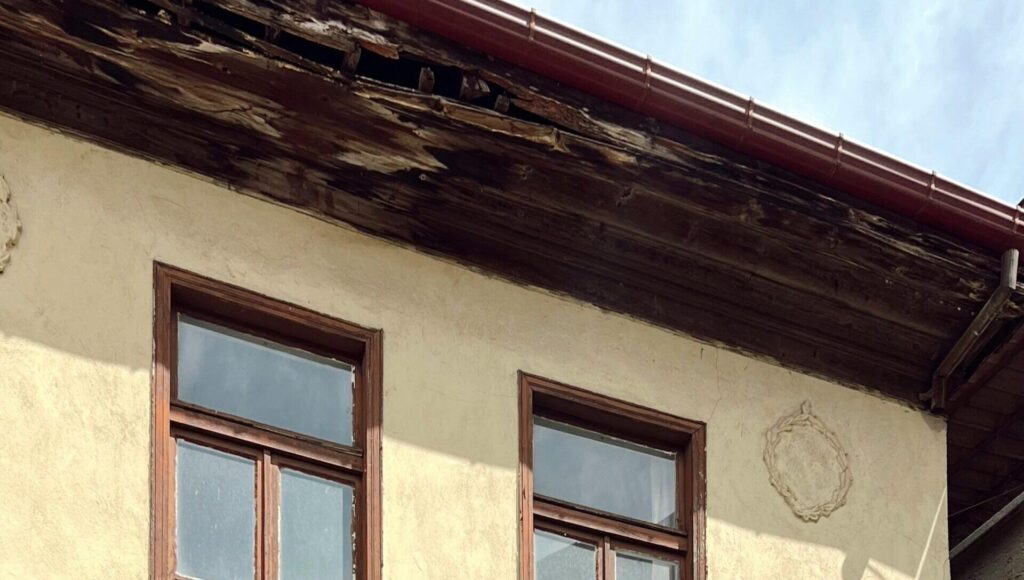
Outdoor wood has to deal with rain, moisture, sunlight, dirt, and changing weather throughout the year. Over time, these conditions can wear down decks, fences, window frames, door frames, trim, railings, and other exterior wood features. Once moisture gets into the wood and stays there, rot can begin.
Wood Revive focuses on restoring damaged wood, but prevention matters too. The earlier homeowners protect their exterior wood, the less likely they are to face bigger repair or replacement problems later.
Keep Water Away From Wood
Moisture is one of the biggest reasons exterior wood begins to rot. If water sits on wood for too long, it can soak into cracks, joints, and exposed areas. This is especially common around decks, fences, window trim, and door frames.
Homeowners can help prevent this by checking that water drains away from wood surfaces. Gutters, downspouts, and grading around the home should move water away instead of letting it collect near exterior wood.
Watch for Peeling Paint or Stain
Paint and stain do more than make wood look finished. They also help protect the surface from moisture. When paint starts peeling or stain begins fading, the wood underneath becomes more exposed to rain and damp air.
Peeling paint, bubbling finishes, and bare wood patches should be treated as warning signs. Fixing these issues early can help prevent water from soaking into the wood.
Clean Exterior Wood Regularly
Dirt, moss, leaves, and debris can trap moisture against wood. This can be a problem on decks, stairs, fence rails, and areas near plants or shaded corners. Cleaning these surfaces helps the wood dry faster after rain.
A simple maintenance routine can make a difference. Sweeping decks, clearing leaves, and washing outdoor wood when needed can reduce moisture buildup and help prevent rot from starting.
Seal and Finish Exposed Wood
Exterior wood should be protected with paint, stain, sealant, or another appropriate finish. These coatings help slow down moisture absorption and protect the wood from outdoor conditions.
The best timing depends on the type of wood, the finish used, and how much weather exposure the area gets. Wood in wet or shaded areas may need more attention than wood that dries quickly.
Check Problem Areas Often
Some areas are more likely to rot than others. Window sills, door frames, deck boards, railings, fence posts, stair edges, and exterior trim often deal with extra moisture. Checking these areas regularly can help homeowners catch small problems before they spread.
Look for soft spots, dark staining, cracks, peeling paint, or wood that feels crumbly. These signs do not always mean the wood needs to be replaced, but they do mean the area should be repaired or protected.
Helpful Resource
For homeowners who want more practical tips on protecting exterior wood, Truitt & White has a helpful guide on preventing wood rot and controlling moisture around wood:
https://truittandwhite.com/how-to-prevent-wood-rot
Final Thoughts
Preventing wood rot is mostly about controlling moisture and keeping exterior wood protected. Regular cleaning, sealing, painting, staining, and checking for early damage can help wood last longer.
Wood Revive is built around the idea that damaged wood does not always need to be replaced right away. But the best option is always to prevent serious rot before it starts. With simple maintenance, homeowners can protect outdoor wood and avoid larger repairs later.