
How to Fix Rotted Wood
Rotted wood can look like a major problem, especially when it shows up around windows, doors, decks, trim, or outdoor structures. The wood may feel soft, look discoloured, crumble when touched, or have peeling paint around it. While some rotted wood does need to be replaced, not every damaged area is automatically beyond repair.
Wood Revive focuses on the idea that damaged wood can sometimes be restored instead of fully removed. If the rot is limited to one area and the surrounding wood is still solid, epoxy-based repair may be an option.
Step 1: Find the Damaged Area
The first step is figuring out how far the damage goes. Rotted wood often feels soft, spongy, or crumbly. It may also look darker than the surrounding wood or have paint that is bubbling, cracking, or peeling.
A small damaged area is usually easier to repair than rot that has spread deep into the structure. If the wood feels unstable or is part of something important like a deck support, stair, or railing, it may need a closer inspection before deciding whether repair is safe.
Step 2: Remove Loose or Soft Wood
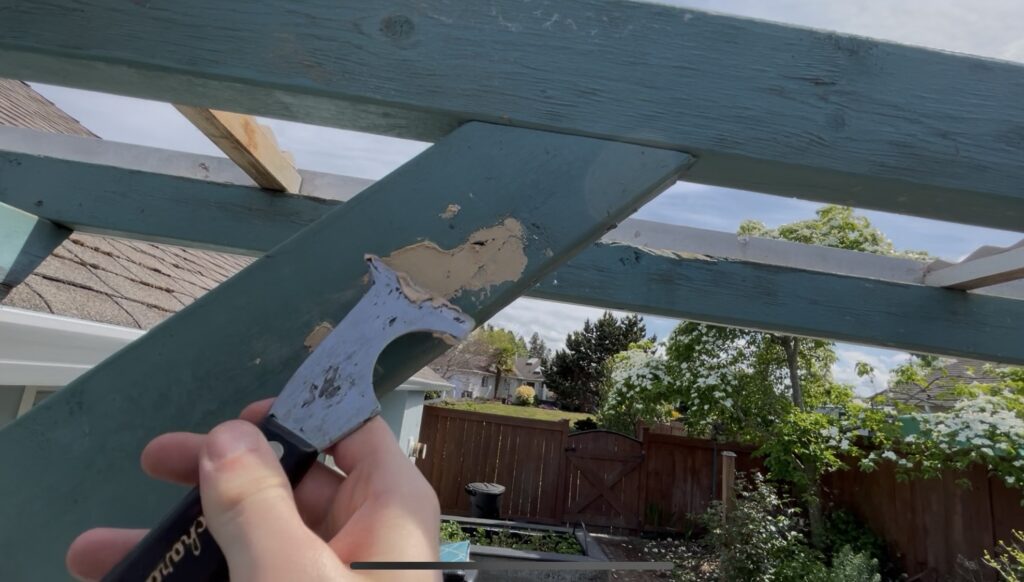
Before rotted wood can be repaired, the loose and badly damaged material needs to be removed. This helps create a cleaner surface for the repair. If soft wood is left behind, the repair may not hold properly.
The goal is not always to remove the entire piece of wood. Instead, the focus is on removing the sections that are too damaged to stay in place while keeping the solid wood that can still be restored.
Step 3: Harden the Remaining Wood
After the damaged material is removed, the remaining wood may still be soft around the edges. This is where an epoxy consolidant can be useful. A consolidant is a liquid product that soaks into softened wood fibres and helps harden them.
This step helps stabilize the area before rebuilding it. It is especially useful for exterior wood that has been weakened by moisture but still has enough structure left to repair.
Step 4: Rebuild the Missing Area
Once the wood has been hardened, an epoxy filler can be used to rebuild the missing section. The filler can be shaped to match the original form of the wood, whether it is a window frame, door frame, trim piece, post, or railing.
After the filler cures, it can be sanded smooth. From there, the repaired area can be painted or finished so it blends in with the surrounding wood.
Step 5: Protect the Wood From Future Moisture
Fixing the rotted area is only part of the job. The wood also needs to be protected so the same problem does not come back. Moisture is usually the main reason wood starts to rot, so sealing, painting, staining, and improving drainage can make a big difference.
Homeowners should also keep an eye on areas where water tends to sit, such as window corners, deck boards, stair edges, fence posts, and exterior trim.
When Replacement Is the Better Option
Epoxy repair can be helpful, but it is not the right solution for every situation. If the wood is badly rotted, unsafe, or no longer strong enough to do its job, replacement may be necessary.
For example, a small rotted section of exterior trim may be repairable. A weak deck support or badly damaged structural piece may need to be replaced instead. The important thing is knowing the difference between wood that can be restored and wood that is too far gone.
Helpful Resource
For homeowners who want another practical guide on repairing rotted or damaged wood, Family Handyman explains how damaged wood can be cleaned out, rebuilt with filler, shaped, sanded, and painted: https://www.familyhandyman.com/project/how-to-repair-rotted-wood/
Final Thoughts
Rotted wood does not always mean the entire piece needs to be replaced. In many cases, the damaged area can be cleaned out, hardened, rebuilt, and protected. This can help save money, reduce waste, and keep more of the original wood in place.
Wood Revive is built around restoring what can be saved. With the right repair method, some rotted wood can be brought back to life before full replacement becomes necessary.