
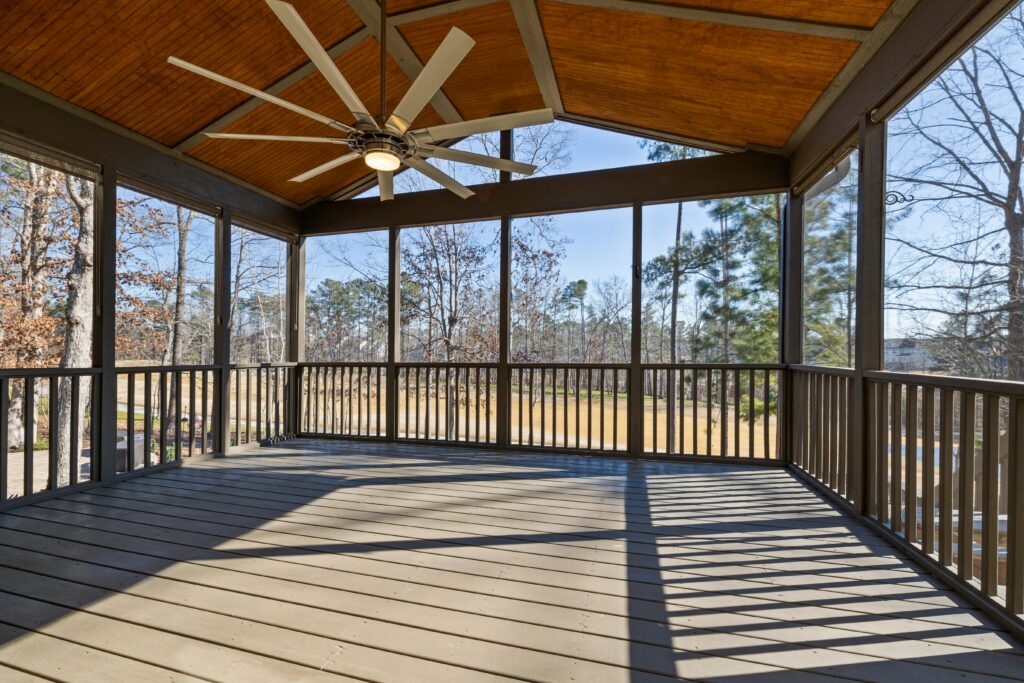
How Wood Rot Starts and Why It Spreads
Wood rot usually starts quietly. At first, it might look like peeling paint, dark stains, soft spots, or small cracks. Over time, the damage can spread and make the wood weaker. This is why it is important for homeowners to understand how rot begins and why moisture is usually the main cause.
Wood Revive focuses on the idea that damaged wood does not always need to be replaced right away. In some cases, rotted or softened areas can be repaired, hardened, and protected before the problem becomes more serious.
What Causes Wood Rot?
Wood rot happens when wood is exposed to moisture for too long. Rain, damp air, poor drainage, and trapped water can all create the right conditions for damage. In places like Metro Vancouver, outdoor wood faces a lot of wet weather, which makes regular maintenance even more important.
Rot is especially common in areas where water sits or gets trapped. This can happen around window frames, door frames, decks, fences, posts, railings, and exterior trim. If paint or stain starts to peel, moisture can get into the wood more easily.
Why Rot Spreads
Wood rot can spread when the damaged area stays wet. Once moisture gets into the wood, it can soften the fibres and break down the material. If the area is not cleaned, repaired, or protected, the damage can continue moving into nearby wood.
Small cracks and gaps can also make the problem worse. Water can enter through these openings and stay trapped behind paint, trim, or joints. That is why a small soft spot should not always be ignored.
Early Signs to Watch For
Homeowners can often catch wood rot before it becomes a major issue. Some signs include peeling or bubbling paint, dark stains, soft or spongy areas, cracking, splitting, wood that crumbles when touched, or musty smells around damp areas.
These signs do not always mean the wood needs full replacement, but they do mean the area should be checked.
How Restoration Can Help
If the wood is not too far gone, restoration may be possible. Epoxy-based wood repair can help harden softened areas and rebuild damaged sections. The loose or badly damaged material is removed first, then the remaining wood can be stabilized and filled.
This process can help homeowners avoid replacing an entire frame, post, or board when only one area is damaged. After sanding and finishing, the repaired section can blend back into the surrounding wood.
Helpful Resource
For homeowners who want to see a practical example of epoxy being used on rotted wood, This Old House has a helpful guide on fixing rotted wood with epoxy:
https://www.thisoldhouse.com/woodworking/how-to-fix-rotted-wood-with-epoxy
Final Thoughts
Wood rot can look scary, but it does not always mean the wood is useless. The key is catching the problem early and understanding whether the damaged area can be restored. With regular care and the right repair approach, many wood features can last longer before full replacement is needed.